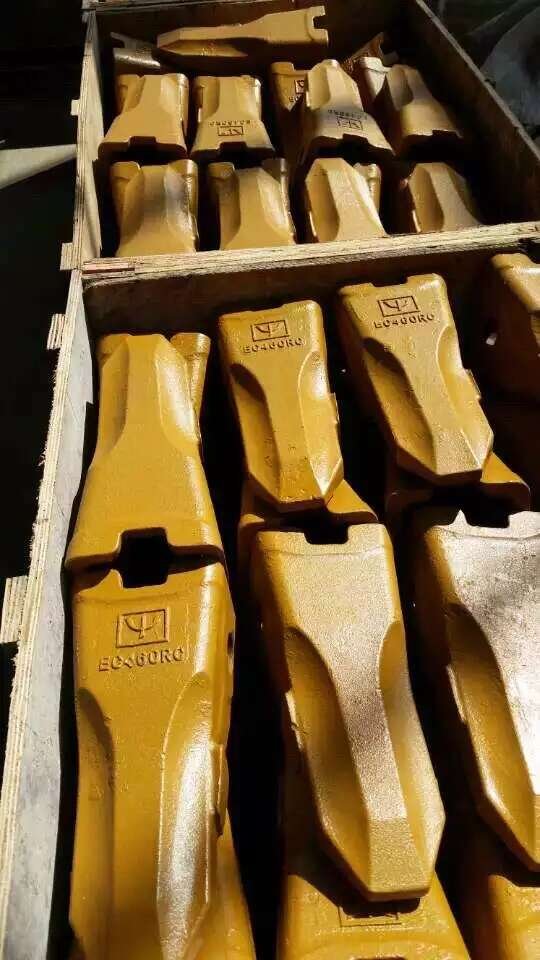
Unexpected bucket tooth failure increases downtime, maintenance costs, and production losses. Learn the key factors that determine service life and performance.
The Hidden Cost of Bucket Tooth Failure
Most mining operators focus on bucket tooth purchase price.
However, the true cost is usually hidden in:
- Unplanned downtime
- Lost production hours
- Increased fuel consumption
- Adapter damage
- Emergency replacement labor
A bucket tooth that wears prematurely often creates costs many times greater than its purchase value.
Wear Resistance Is Not Only About Hardness
Many buyers assume harder means better.
In reality, bucket tooth performance depends on balancing:
- Hardness
- Toughness
- Impact resistance
- Material chemistry
- Heat treatment consistency
Excessive hardness can lead to cracking.
Insufficient hardness accelerates wear.
The optimal balance depends on the operating environment.
Application Conditions Matter
Different environments require different material strategies.
Examples include:
- Hard rock mining
- Iron ore operations
- Quarry applications
- Construction earthmoving
- Abrasive sand environments
Selecting the wrong material grade can significantly shorten service life.
What Procurement Teams Should Evaluate
When comparing suppliers, evaluate:
- Material composition control
- Heat treatment process
- Dimensional consistency
- Field performance history
- Traceability systems
The objective is not simply purchasing a bucket tooth.
The objective is minimizing cost per operating hour.
Conclusion
Longer wear life and consistent quality reduce maintenance interruptions and improve equipment utilization.
For many operations, supplier selection has a measurable impact on overall operating cost.