THE METALLURGICAL CASE
Why Chrome Content Is Not Enough.
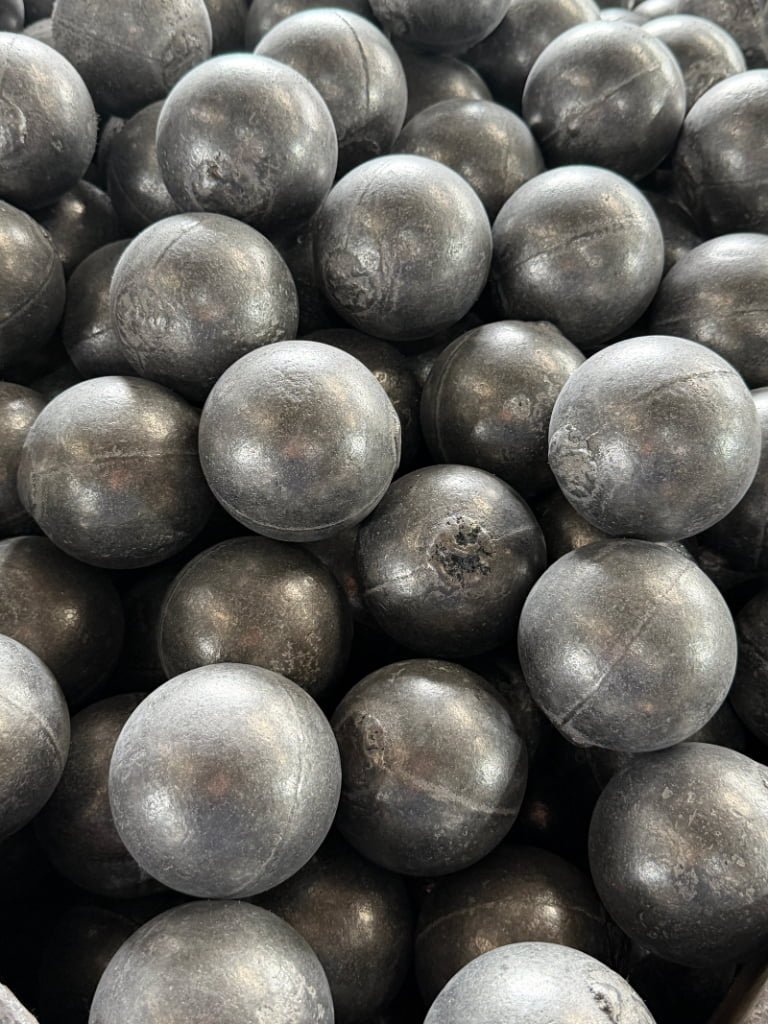
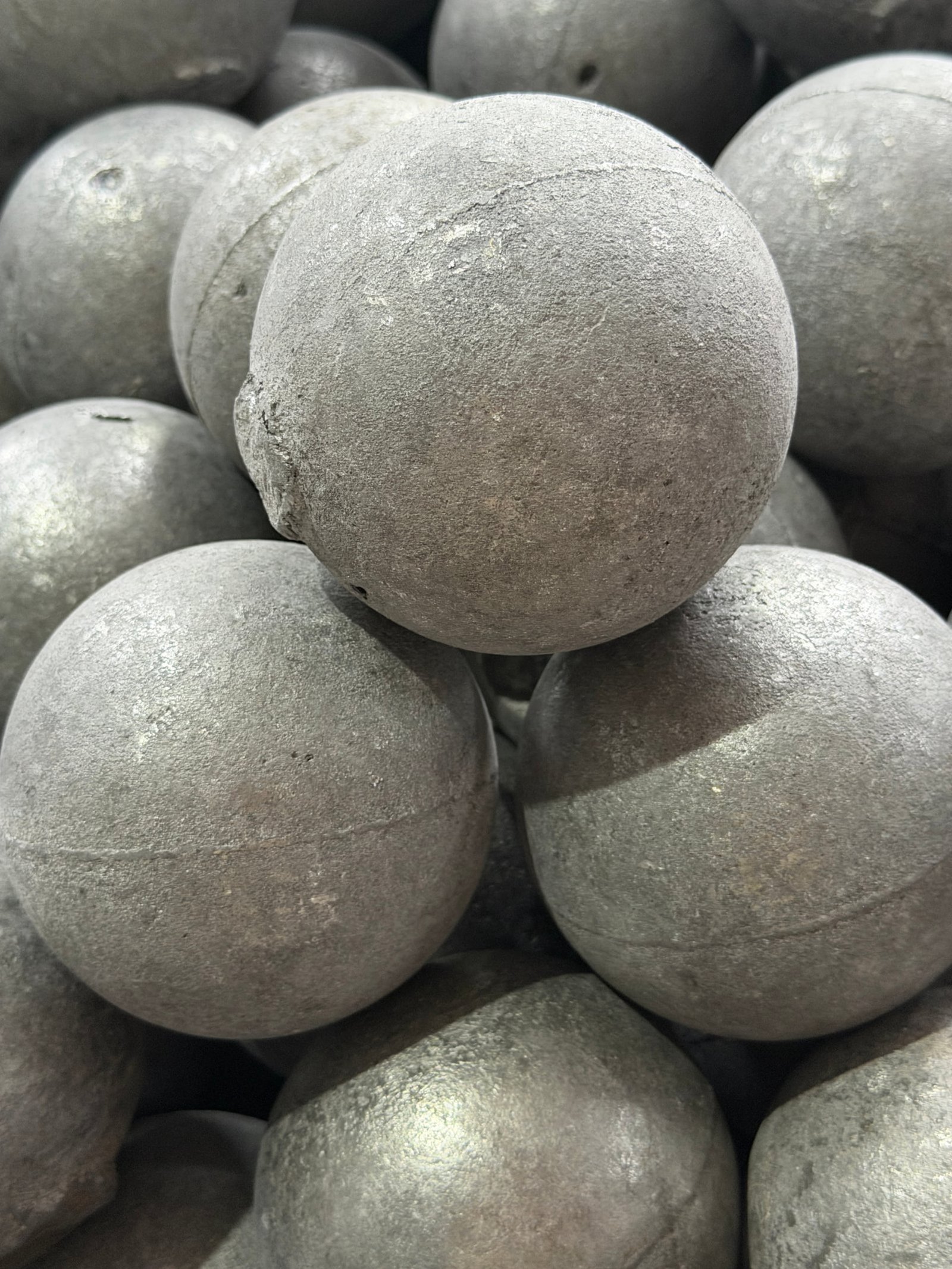
Most suppliers sell chromium percentage. We engineer the complete metallurgical profile — because a high-chrome ball that hasn’t been through the correct thermal cycle will perform no better than a mid-grade forged ball. The difference between a 60 HRC result and a 55 HRC result is entirely determined by the quench and temper curve, not the alloy specification.
Our founder designed the heat treatment protocols that passed the rigorous technical audits of HKEX-listed global mining giants and Swiss-based industrial mineral leaders. Those exact protocols govern every batch we produce today.
Three-Column Differentiators:
Column 1 — Alloy Precision We specify chrome content, carbon ratios, and trace element limits to the second decimal place. Alloy chemistry is verified via portable OES spectrometry — independently, on the factory floor — before and after heat treatment.
Column 2 — Thermal Discipline Every heat treatment run is monitored in real-time. We record quench curve gradients, soaking temperatures, and tempering durations by batch. A deviation of even 5°C from the approved curve triggers a quarantine — not a conversation.
Column 3 — Hardness Mapping We don’t test one ball per batch. We produce a full Rockwell hardness map across sampled units — surface and cross-section — to verify that the hardness profile holds through the core. Surface-hard, soft-core balls are a common failure mode we eliminate by design.