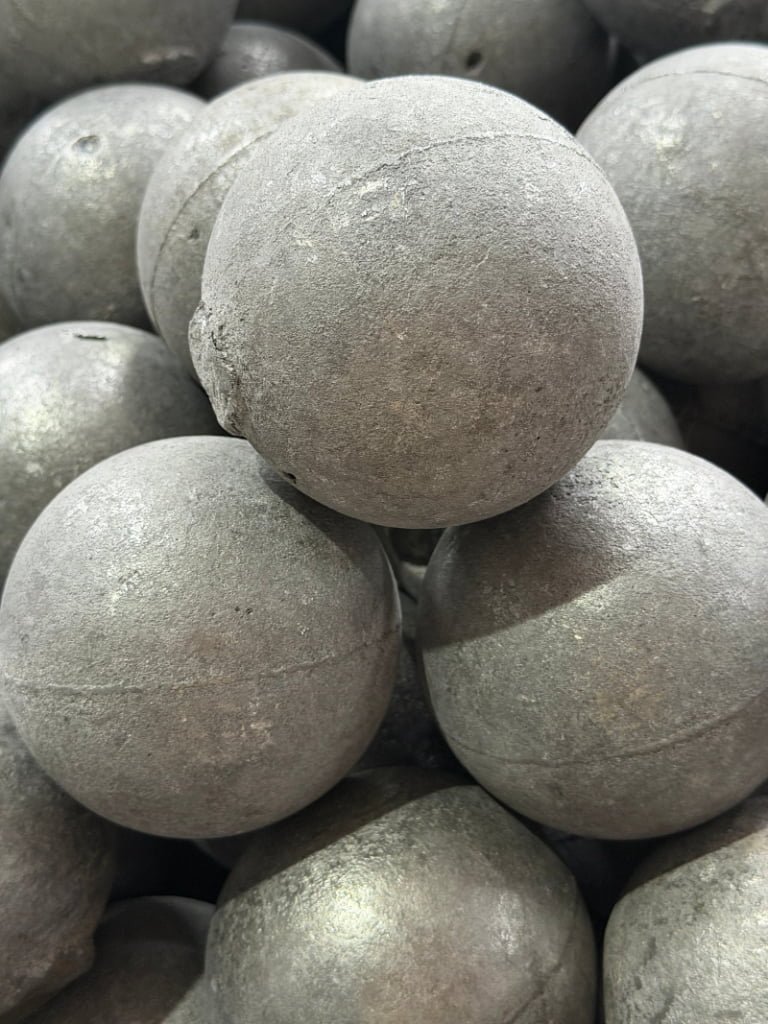
High Chrome Grinding Balls
THE METALLURGICAL CASE Why Chrome Content Is Not Enough. Most suppliers sell chromium percentage....
View Product
Most operations are over-spending on grinding media — not because they're buying expensive product, but because they're buying the wrong product for their specific mill and ore. The Alliance Grinding Media Solution matches media specification, charge ratio, and supplier reliability to your exact operating conditions.
10–20%
TYPICAL COST REDUCTION
≤0.5%
BREAKAGE RATE ACHIEVED
3-Year
LTA TRACK RECORD
Tier-1
AUDIT VERIFIED
Most operations are overspending on grinding media. The problem is not unit price — it is specification mismatch, breakage waste, and supply disruption. This program addresses all three.
Cost Driver 1 — Wrong Specification A high-chrome ball in a low-abrasion application delivers high hardness you didn’t need and a higher unit price you didn’t have to pay. A forged ball in a high-abrasion application wears faster than specified. Getting the specification right is the single highest-leverage decision in grinding media procurement.
Cost Driver 2 — Premature Breakage The industry average breakage rate exceeds 2%. At 2% breakage, a 500-ton/month operation is absorbing 10+ tons of non-grinding media per month — media that’s consuming liner space, adding to scats, and generating zero comminution value. Our breakage rate is ≤0.5%. The cost-per-ton difference is immediate and measurable.
Cost Driver 3 — Supply Disruption A grinding media stockout at a remote operation is not a supplier problem — it’s your problem. An unplanned shutdown of even 24 hours in a Tier-1 operation can eliminate weeks of cost savings from better pricing. Supply reliability is as much a part of your cost structure as unit price.
Cost-per-ton (CPT) is the only metric that matters in grinding media evaluation. It integrates:
A supplier offering 10% lower unit price but 30% higher wear rate and 3% breakage is not cheaper — they’re more expensive. We model this explicitly for every client, and we benchmark against your current program to demonstrate the delta.
0.5%
BREAKAGE RATE
Tier-1 mine trials. Industry average exceeds 2%.
1,000+
DAYS CONTINUOUS SUPPLY
West Africa Tier-1 Lithium LTA. Zero interruptions.
10–20%
COST REDUCTION
Typical outcome of matched specification program.
Engineered components that form part of this solution.
THE METALLURGICAL CASE Why Chrome Content Is Not Enough. Most suppliers sell chromium percentage....
View Product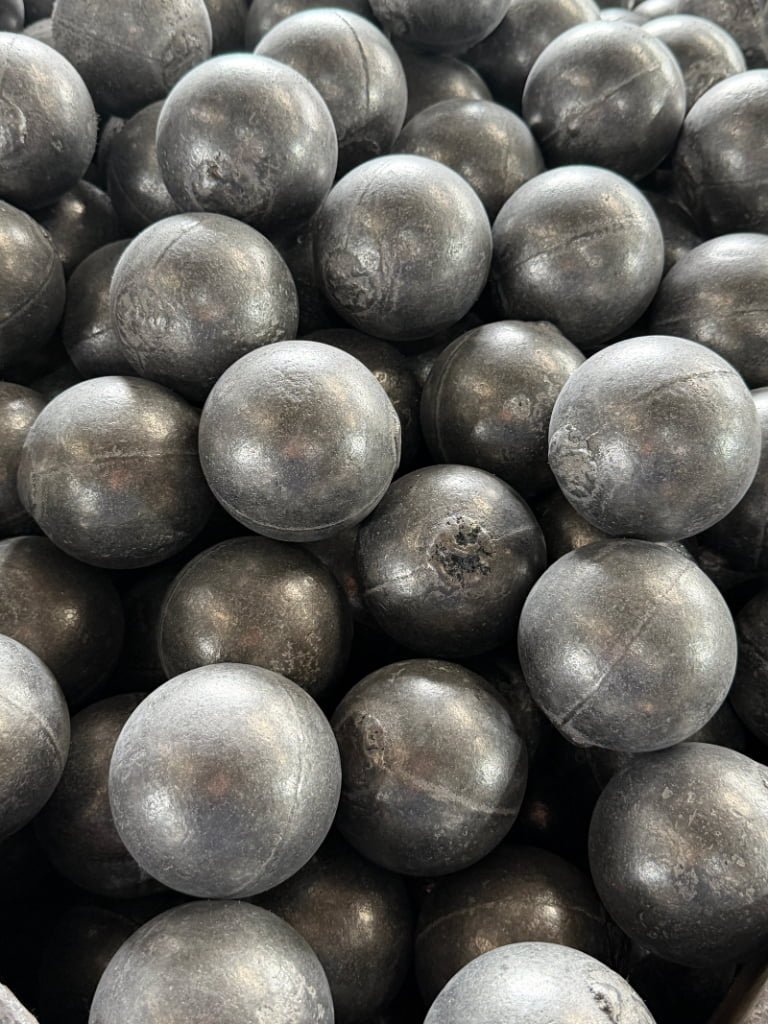
WHY FORGING MATTERS Casting Creates Balls. Forging Creates Performance. The mechanical difference between a...
View ProductVerified field results from active mine sites and processing plants.
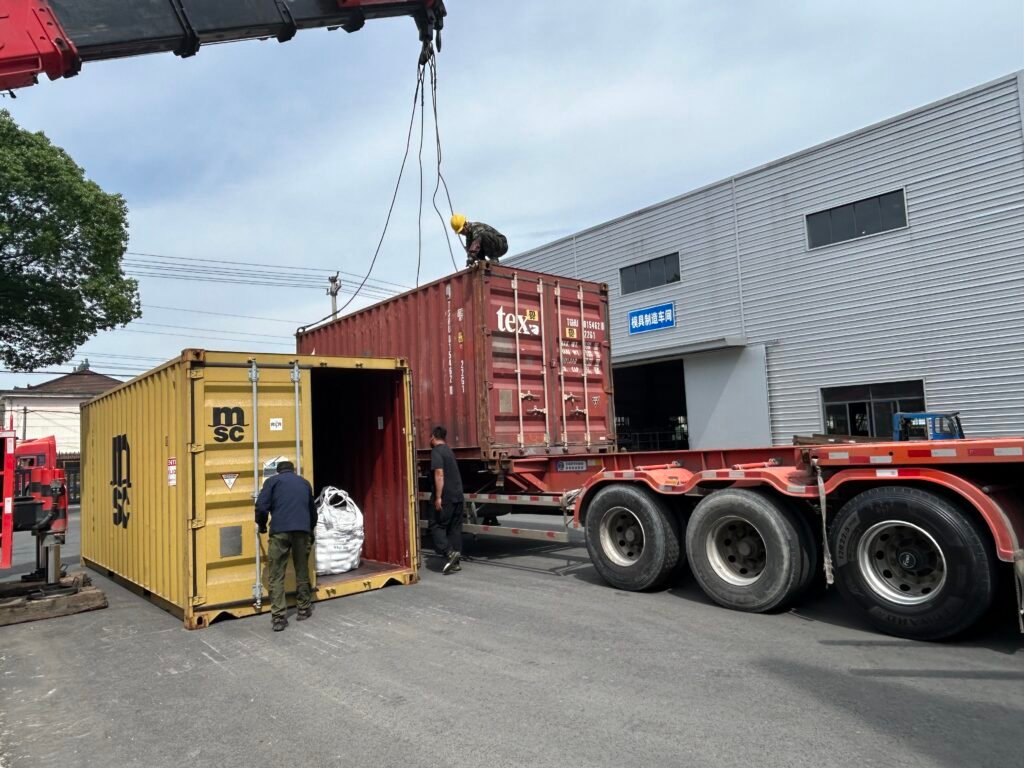
This engagement began before the first ton of ore was processed. We were brought in during the initial commissioning phase...
Read Case Study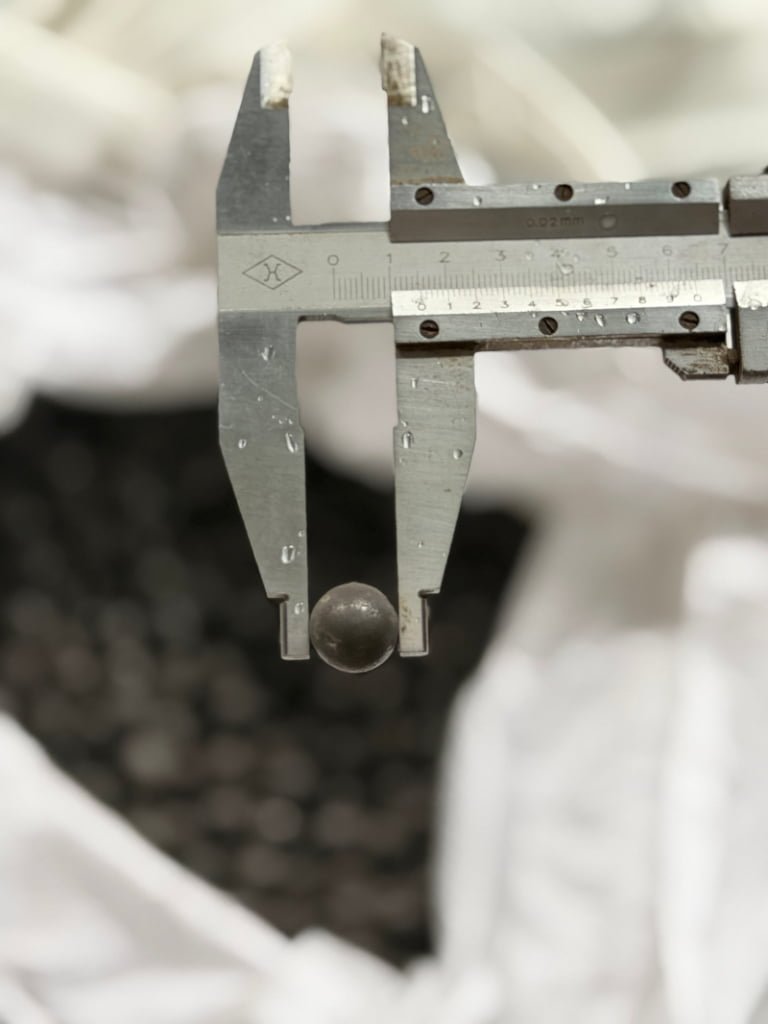
Industrial mineral grinding is a different problem from mining media supply. In a mining application, the grinding media is a...
Read Case Study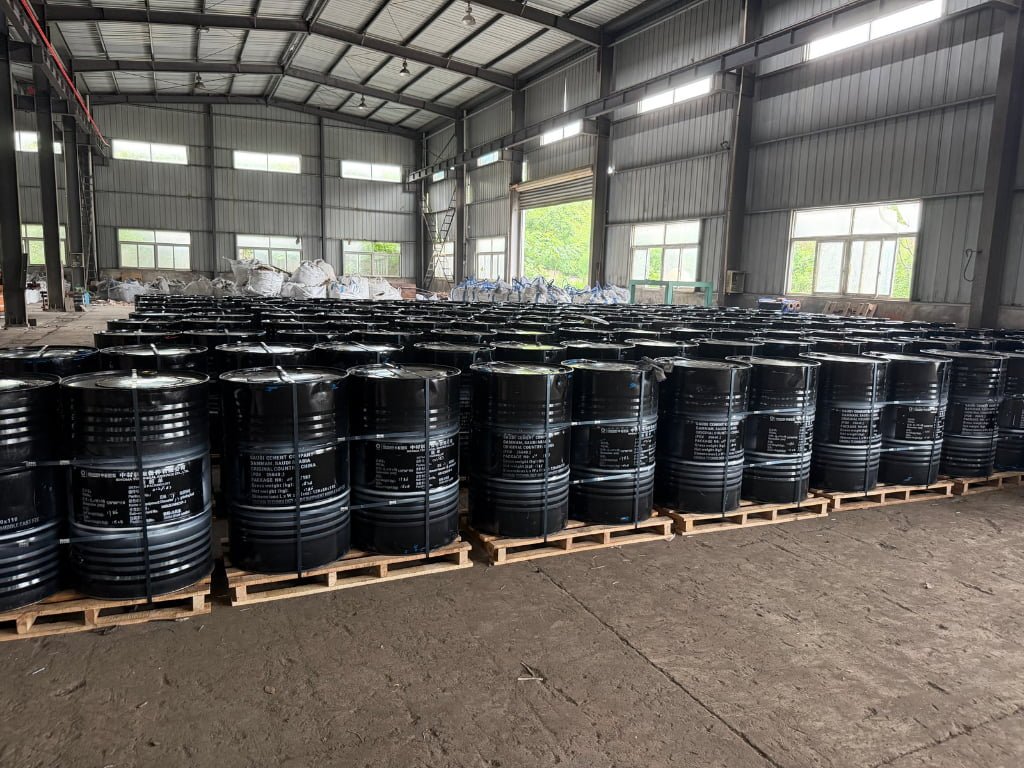
Most suppliers treat a Tier-1 audit as a compliance exercise. We treated it as a design brief. HKEX listing requirements...
Read Case StudySubmit your mill type, ore hardness profile, and current media specification. We'll return a cost-per-ton analysis and matched specification recommendation.
Signed NDA Guarantee • 100% IP Protection